

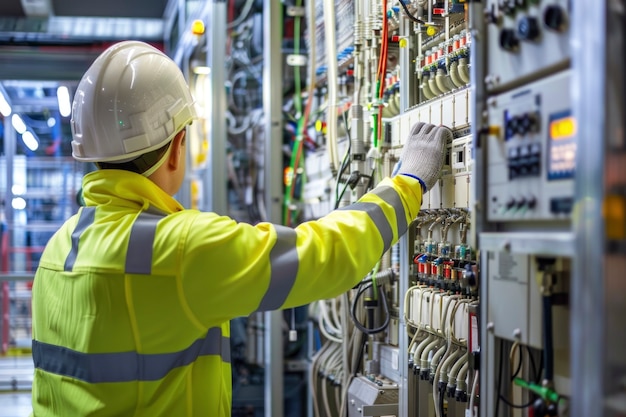
Electrical systems are the backbone of every industrial facility. From running machinery and lighting workspaces to ensuring safety and uninterrupted operations, a well planned electrical infrastructure is essential. Any failure or inefficiency in electrical systems can lead to downtime, safety risks, and financial losses.
Industrial electrical design is very different from residential or small commercial setups. It must handle high loads, continuous operation, and strict safety requirements while remaining scalable for future growth.
Power Distribution Systems
At the core of any industrial electrical setup is the power distribution system. This includes transformers, main distribution boards, sub distribution panels, and cabling networks that deliver electricity across the facility.
A properly designed distribution system ensures stable voltage levels and balanced loads. It minimizes power losses and reduces the risk of overheating or equipment damage.
Good planning at this stage allows easy expansion when additional machinery or production lines are added.
Electrical Panels and Control Systems
Electrical panels act as the control center for industrial power management. They house circuit breakers, relays, contactors, and protection devices that regulate electrical flow.
Industrial facilities often use motor control centers to manage heavy machinery and production equipment. These panels enable safe operation, easy maintenance, and quick fault isolation.
Well labeled and accessible panels improve safety and reduce response time during emergencies.
Backup Power and Emergency Systems
Power interruptions can halt production and damage sensitive equipment. Backup power systems such as generators and uninterruptible power supplies are essential for industrial facilities.
Emergency power systems support critical operations, safety lighting, fire systems, and control rooms during outages. Proper capacity planning ensures that essential systems remain functional without overload.
Reliable backup power reduces operational risk and protects business continuity.
Lighting Systems for Industrial Environments
Industrial lighting is designed for functionality, safety, and efficiency. Adequate illumination improves visibility, reduces accidents, and enhances productivity.
Modern facilities use energy efficient lighting solutions that provide uniform coverage and lower power consumption. Proper lighting design also considers maintenance access and lifespan to reduce operational costs.
Task specific lighting improves accuracy and comfort in work areas.
Earthing and Grounding Systems
Earthing is one of the most critical safety elements in industrial electrical systems. It protects people and equipment from electrical faults, surges, and lightning strikes.
A well designed earthing system provides a safe path for fault currents, preventing electric shock and fire hazards. Regular testing ensures that grounding resistance remains within safe limits.
Industrial earthing systems are designed based on soil conditions, fault levels, and regulatory requirements.
Fire Alarm and Electrical Safety Systems
Electrical faults are a common cause of industrial fires. Fire alarm systems, smoke detectors, and heat sensors are integrated with electrical infrastructure to provide early warning.
Electrical safety systems also include overload protection, short circuit protection, and isolation mechanisms. These systems reduce the risk of accidents and equipment damage.
Compliance with fire safety norms is essential for approvals and insurance coverage.
Power Quality and Energy Management
Industrial equipment is sensitive to power quality issues such as voltage fluctuations and harmonics. Poor power quality can reduce equipment life and efficiency.
Power factor correction systems and harmonic filters help stabilize electrical supply and improve efficiency. Energy monitoring systems track consumption patterns and identify opportunities for optimization.
Efficient energy management reduces operating costs and supports sustainability goals.
Automation and Control Integration
Modern industrial facilities rely heavily on automation. Electrical systems must support programmable controllers, sensors, and communication networks.
Integration between electrical infrastructure and automation systems improves process control and productivity. Proper planning ensures reliable connectivity and system scalability.
Automation readiness is a key requirement for future focused industrial facilities.
Compliance With Standards and Regulations
Industrial electrical systems must comply with national and local safety standards. Proper design, installation, and documentation are essential for inspections and approvals.
Non compliant systems can lead to penalties, shutdowns, or safety hazards. Experienced professionals ensure that all systems meet regulatory requirements from the start.
Role of EPC Contractors in Electrical System Design
EPC contractors play a crucial role in designing and executing industrial electrical systems. They coordinate between electrical engineers, equipment suppliers, and site teams to ensure seamless integration.
Accurate load calculations, quality installation, and thorough testing ensure reliable performance throughout the facility’s lifecycle.
Final Thoughts
Essential electrical systems are critical to the safety, efficiency, and reliability of industrial facilities. From power distribution and backup systems to safety and automation, every element must be carefully planned and executed.
Investing in robust electrical infrastructure ensures uninterrupted operations, protects assets, and supports long term industrial growth.