

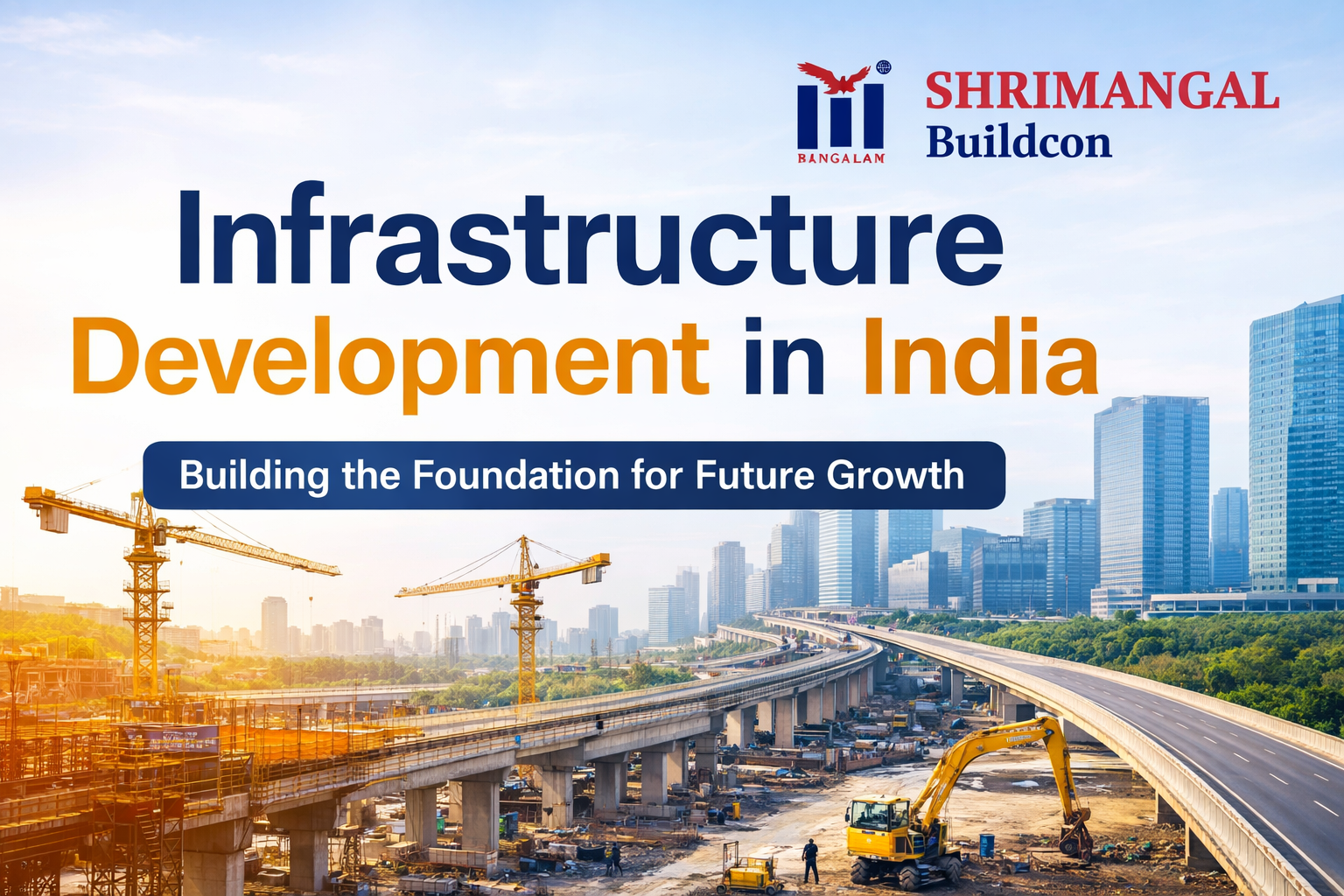
Infrastructure development is the backbone of economic growth. From highways and industrial parks to smart cities and logistics hubs, strong infrastructure supports businesses, improves connectivity, and enhances quality of life. In India, rapid urbanization and industrial expansion have made infrastructure development one of the most important sectors for national progress.
This blog explores the importance, types, benefits, and future of infrastructure development in India.
What is Infrastructure Development?
Infrastructure development refers to the construction and improvement of essential physical structures and facilities that support economic and social activities. It includes planning, engineering, procurement, and execution of projects such as roads, bridges, factories, warehouses, and utilities.
A well-developed infrastructure system ensures:
- Efficient transportation and logistics
- Reliable energy and utilities
- Growth of industries and businesses
- Improved living standards
Infrastructure acts as the foundation on which industries and cities grow.
Importance of Infrastructure Development in India
India is one of the fastest-growing economies in the world. With increasing population, urbanization, and industrial demand, infrastructure development plays a crucial role in sustaining growth.
1. Boosts Economic Growth
Infrastructure projects create jobs, increase productivity, and attract investments. Industrial corridors, highways, and ports help businesses expand and operate efficiently.
2. Supports Industrial Expansion
Factories, warehouses, and logistics parks require strong infrastructure. Proper industrial construction enables manufacturing and supply chain growth across sectors.
3. Improves Connectivity
Roads, railways, airports, and metro systems improve connectivity between cities and industrial hubs, reducing transportation costs and time.
4. Enhances Quality of Life
Better infrastructure leads to improved housing, transportation, water supply, and public facilities, raising living standards.
Types of Infrastructure Development
Industrial Infrastructure
Industrial infrastructure includes factories, warehouses, logistics parks, and manufacturing facilities. It supports production, storage, and distribution for various industries.
Commercial Infrastructure
This includes office spaces, business parks, retail complexes, and commercial buildings that support business operations.
Civil Infrastructure
Civil infrastructure covers roads, bridges, drainage systems, and public utilities that ensure smooth urban functioning.
Electrical & Utility Infrastructure
Power plants, electrical systems, water supply, and waste management systems form the backbone of industrial and urban operations.
Role of EPC Companies in Infrastructure Development
EPC (Engineering, Procurement, and Construction) companies play a vital role in executing infrastructure projects. They provide end-to-end solutions from planning and design to construction and final delivery.
Key Responsibilities of EPC Contractors:
- Project planning and engineering design
- Procurement of materials and equipment
- Construction and project execution
- Quality control and safety management
- On-time project delivery
EPC contractors ensure efficient and cost-effective infrastructure development for industries and businesses.
Modern Trends in Infrastructure Development (2026)
Smart Infrastructure
Integration of technology like IoT, automation, and smart monitoring systems is transforming infrastructure projects.
Sustainable Construction
Use of eco-friendly materials, energy-efficient systems, and green building practices is becoming standard.
Industrial & Logistics Growth
With the rise of e-commerce and manufacturing, demand for warehouses, logistics parks, and industrial construction is increasing rapidly.
Turnkey Project Execution
Businesses prefer turnkey EPC solutions where a single contractor handles the entire project lifecycle.
Challenges in Infrastructure Development
Despite rapid growth, infrastructure development faces several challenges:
- Land acquisition issues
- Budget constraints
- Project delays
- Regulatory approvals
- Skilled labor shortages
Professional planning and experienced EPC contractors help overcome these challenges efficiently.
Future of Infrastructure Development in India
India’s infrastructure sector is expected to grow significantly with government initiatives like:
- Smart Cities Mission
- Make in India
- Industrial corridor development
- Logistics and warehousing expansion
These initiatives will create strong demand for industrial construction, EPC services, and turnkey infrastructure solutions in the coming years.
Conclusion
Infrastructure development is the foundation of economic progress and industrial growth. From industrial facilities to modern urban infrastructure, well-executed projects support business expansion and improve quality of life.
With increasing demand for smart, sustainable, and large-scale projects, professional EPC and construction companies play a key role in shaping India’s future infrastructure landscape.
Businesses looking to expand or develop industrial facilities should partner with experienced infrastructure development companies to ensure quality, efficiency, and long-term success.
FAQs – Infrastructure Development in India
1. What is infrastructure development?
Infrastructure development refers to the planning, design, and construction of essential physical structures such as roads, bridges, factories, warehouses, and utilities. It supports industrial growth, transportation, and urban development, forming the foundation for economic progress.
2. Why is infrastructure development important in India?
Infrastructure development is crucial for India’s economic growth as it improves connectivity, supports industrial expansion, creates employment opportunities, and enhances the overall quality of life. Strong infrastructure attracts investments and enables efficient business operations.
3. What are the main types of infrastructure development?
Infrastructure development mainly includes industrial infrastructure, commercial infrastructure, civil construction, and electrical or utility infrastructure. These sectors support manufacturing, logistics, business operations, and public services across the country.
4. What is the role of EPC companies in infrastructure development?
EPC (Engineering, Procurement, and Construction) companies provide end-to-end infrastructure solutions. They handle project planning, design, material procurement, construction, and final delivery, ensuring projects are completed efficiently and within budget.
5. How does infrastructure development support industrial growth?
Well-developed infrastructure provides industries with reliable facilities such as factories, warehouses, transportation networks, and utilities. This helps businesses operate smoothly, reduce costs, and expand their production and distribution capabilities.