

Introduction
In today’s fast-growing industrial and infrastructure sector, companies are constantly searching for efficient ways to complete projects on time and within budget. One of the most effective approaches used today is EPC in construction. This model simplifies complex construction workflows by assigning all responsibilities to a single contractor. As a result, businesses can avoid delays, reduce risks, and ensure better coordination. Understanding EPC in construction is essential for anyone planning large-scale industrial, commercial, or infrastructure projects.
Understanding EPC in Construction
What is EPC in Construction?
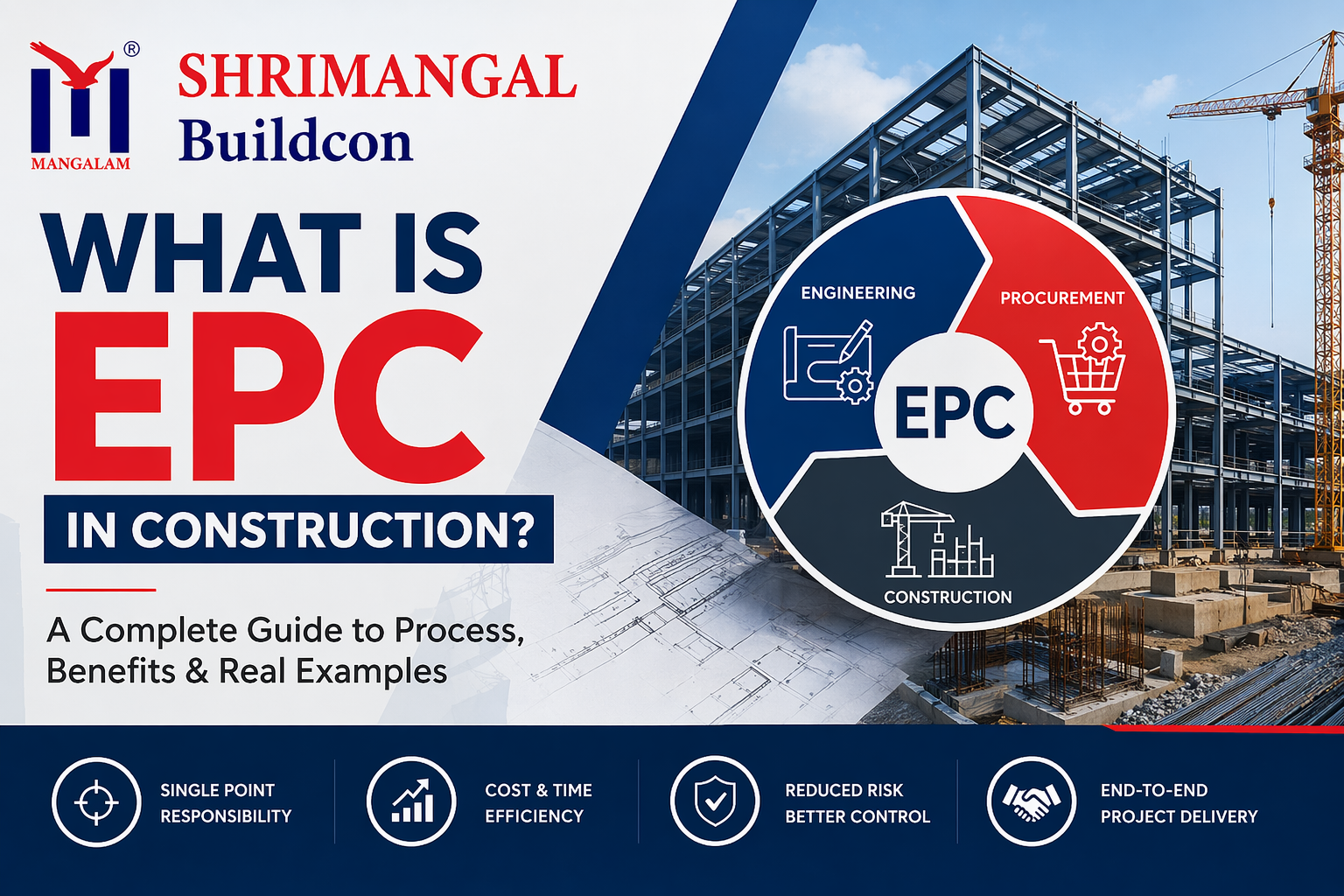
EPC in construction stands for Engineering, Procurement, and Construction. It is a project delivery method where one contractor handles everything from design to execution. Instead of hiring multiple vendors, the client works with a single entity responsible for the entire project lifecycle. This integrated approach improves efficiency and ensures smooth communication across all stages. Therefore, many industries prefer this model for its simplicity and reliability.
How the EPC Model Works
The EPC project model combines planning, sourcing, and execution into one streamlined process. In this system, the contractor takes full responsibility for delivering a completed project. From initial design to final handover, every step is managed under a single contract. This structure reduces confusion and ensures accountability. Moreover, it helps maintain consistency in quality and timelines throughout the project.
Stages of EPC Project Delivery
Engineering Phase in EPC Projects
The engineering phase is the foundation of any EPC project. During this stage, detailed designs and technical plans are developed. Engineers analyze project requirements, create layouts, and conduct feasibility studies. A well-planned engineering phase ensures that the project runs smoothly during execution. Additionally, it minimizes the chances of errors and costly modifications later.
Procurement Phase in EPC Projects
The procurement stage involves sourcing materials, equipment, and services required for the project. The contractor manages vendor selection, purchasing, and logistics. This ensures that high-quality materials are delivered on time. Efficient procurement also helps control costs and prevents unnecessary delays. As a result, the overall project timeline remains on track.
Construction Phase in EPC Projects
The construction phase is where the actual execution takes place. It includes site preparation, installation, assembly, and testing. The contractor ensures that all work is completed according to design specifications and industry standards. Once construction is finished, the project is tested and handed over in a ready-to-use condition. This seamless execution makes EPC projects highly efficient.
Benefits of the EPC Project Model
Why Businesses Prefer EPC Approach
One of the main advantages of EPC in construction is the single point of responsibility. This eliminates confusion and ensures clear accountability. Additionally, most EPC contracts are fixed-price, which helps maintain budget control. The integrated nature of this model also speeds up project completion. Furthermore, risks are largely handled by the contractor, reducing the burden on the client.
Another key benefit is improved coordination. Since all activities are managed by one team, communication becomes more effective. This leads to better quality outcomes and fewer delays. Overall, the EPC approach provides a reliable and hassle-free construction experience.
EPC vs Traditional Construction Methods
Key Differences Between EPC and Conventional Models
Traditional construction methods involve multiple contractors handling different parts of the project. This often leads to delays, miscommunication, and cost overruns. In contrast, EPC in construction brings all responsibilities under one contract. This reduces complexity and improves efficiency.
Additionally, project timelines are more predictable in EPC projects. The contractor manages all stages, ensuring smooth coordination. Therefore, many industries are shifting from traditional methods to the EPC model for better results.
Applications of EPC Project Delivery
Where EPC Model is Commonly Used
The EPC model is widely used across various industries due to its efficiency. Industrial facilities, manufacturing plants, and warehouses often rely on this approach. It is also commonly used in power plants, oil and gas projects, and infrastructure development.
For example, companies building large factories prefer EPC contracts to ensure timely completion and cost control. Similarly, logistics companies use this model for warehouse construction. These applications highlight the versatility and effectiveness of EPC project delivery.
When to Choose EPC Approach
Is EPC Right for Your Project?
Choosing EPC in construction is ideal when you want a streamlined and stress-free execution process. If your project requires strict timelines and budget control, this model is a strong choice. It is also suitable for businesses that lack technical expertise to manage multiple vendors.
Moreover, EPC is beneficial for complex projects that require strong coordination. By choosing this approach, you can ensure better efficiency and reliability throughout the project lifecycle.
Challenges in EPC Projects
Things to Consider Before Choosing EPC
Although EPC projects offer many benefits, there are some challenges to consider. One major limitation is reduced flexibility after the contract is finalized. Any changes during execution can lead to additional costs.
Another factor is the dependency on the contractor’s expertise. The success of the project largely depends on their experience and capabilities. However, these challenges can be minimized by selecting a reliable and experienced contractor.
Choosing the Right EPC Contractor
Factors to Evaluate Before Selection
Selecting the right contractor is critical for the success of your project. You should review their experience, portfolio, and past project performance. A contractor with strong technical expertise and industry knowledge can ensure smooth execution.
Additionally, clear communication and financial stability are important factors. By choosing the right partner, you can maximize the benefits of EPC in construction and achieve better project outcomes.
Future of EPC in Construction
Growth and Industry Trends
The demand for EPC in construction is expected to grow significantly in the coming years. With increasing infrastructure development and industrial expansion, this model is becoming more popular. Technological advancements are also improving project efficiency and accuracy.
Furthermore, the focus on sustainable construction is driving innovation in EPC projects. As industries continue to evolve, the EPC model will remain a key solution for efficient project delivery.
Conclusion
Final Thoughts on EPC Model
EPC in construction is a powerful project delivery method that simplifies complex construction processes. By integrating engineering, procurement, and construction into a single contract, it ensures efficiency, cost control, and timely completion. Whether you are planning an industrial facility or infrastructure project, this approach offers a reliable and effective solution.
FAQs
What is EPC in construction?
EPC in construction is a project delivery method where one contractor manages design, procurement, and execution. It ensures a streamlined and efficient process.
What are the benefits of EPC projects?
EPC projects offer cost certainty, faster completion, and reduced risk. They also improve coordination by having a single point of responsibility.
Where is EPC commonly used?
EPC is widely used in industrial construction, power plants, warehouses, and infrastructure projects due to its efficiency.
Is EPC better than traditional construction?
Yes, EPC is often more efficient as it reduces delays, improves coordination, and ensures better project control.
How to choose an EPC contractor?
You should evaluate experience, technical expertise, past projects, and client feedback before selecting a contractor.