

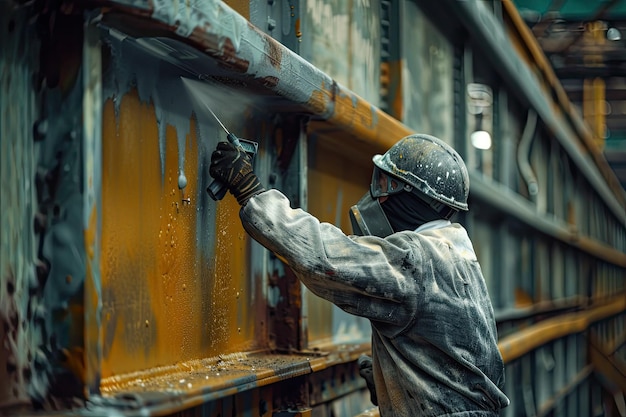
Industrial structures in India operate in demanding environments. Exposure to moisture, chemicals, pollution, temperature variations, and heavy usage makes corrosion one of the most serious threats to structural integrity and asset life. If corrosion is not controlled, it can weaken structures, increase maintenance costs, and compromise safety.
Anti corrosion coatings are not an optional add on. They are a critical component of industrial construction that protects investments and ensures long term performance.
Understanding Corrosion in Industrial Structures
Corrosion is a natural process where metals deteriorate due to chemical reactions with their environment. In industrial settings, this process accelerates due to exposure to humidity, chemicals, salt laden air, and industrial emissions.
Steel structures, pipelines, tanks, and equipment are especially vulnerable. Even reinforced concrete structures can suffer corrosion when steel reinforcement is exposed to moisture and contaminants.
Unchecked corrosion gradually reduces load bearing capacity and structural reliability.
Impact of Corrosion on Structural Safety
Corrosion directly affects the strength of industrial structures. As steel corrodes, its cross sectional area reduces, lowering its ability to carry loads.
In severe cases, corrosion can lead to sudden structural failures, posing risks to workers and operations. Industrial facilities that handle heavy machinery or hazardous materials face even greater safety concerns.
Anti corrosion coatings form a protective barrier that prevents or slows down the corrosion process, maintaining structural strength.
Cost Implications of Corrosion Damage
The financial impact of corrosion is often underestimated. Repairing corroded structures is far more expensive than preventing corrosion in the first place.
Corrosion related repairs can disrupt operations, require shutdowns, and lead to production losses. Replacement of severely damaged components adds further cost.
Investing in high quality anti corrosion coatings at the construction stage significantly reduces long term maintenance expenses.
Types of Anti Corrosion Coatings Used in Industry
Different industrial environments require different coating solutions. Epoxy based coatings are widely used for their excellent adhesion and chemical resistance. Polyurethane coatings provide UV resistance and durability for external surfaces.
Zinc rich primers offer sacrificial protection by corroding in place of steel. For highly aggressive environments, multi layer coating systems are often applied to achieve maximum protection.
Selecting the right coating system depends on exposure conditions and service life expectations.
Importance of Surface Preparation
The effectiveness of any anti corrosion coating depends heavily on surface preparation. Dirt, oil, rust, and moisture must be removed before coating application.
Proper surface preparation methods such as blasting or mechanical cleaning ensure strong adhesion and uniform coverage. Poor preparation leads to premature coating failure and reduced protection.
Experienced contractors follow strict preparation standards to achieve reliable results.
Protection in Coastal and Chemical Environments
Industrial facilities located in coastal areas or chemical zones face higher corrosion risks due to salt exposure and chemical vapors.
Anti corrosion coatings designed for these environments provide enhanced resistance and extended service life. Without proper protection, structures in such locations deteriorate rapidly.
Using suitable coating systems is essential for maintaining performance in aggressive conditions.
Role of Anti Corrosion Coatings in RCC Structures
While concrete offers some protection, steel reinforcement within RCC structures can corrode if moisture and chemicals penetrate the concrete cover.
Corrosion of reinforcement leads to cracking, spalling, and reduced structural capacity. Protective coatings and proper concrete design help prevent these issues.
Anti corrosion measures extend the life of RCC structures and reduce structural rehabilitation needs.
Maintenance and Inspection Benefits
Anti corrosion coatings simplify maintenance by creating surfaces that are easier to inspect and repair. Early signs of coating damage can be addressed before corrosion reaches the underlying structure.
Regular inspection and timely touch ups help maintain protection without major interventions.
This proactive maintenance approach reduces downtime and extends asset life.
Environmental and Sustainability Considerations
Corrosion prevention supports sustainability by extending the service life of structures and reducing material replacement. Fewer repairs and replacements mean lower resource consumption and waste generation.
Modern coating systems also focus on reducing environmental impact through improved formulations and application practices.
Role of EPC Contractors in Coating Application
EPC contractors ensure that anti corrosion coatings are specified, applied, and inspected correctly. They coordinate between material suppliers, applicators, and quality inspectors to ensure consistent performance.
Proper scheduling ensures coatings are applied under suitable conditions, which is critical for effectiveness.
Final Thoughts
Anti corrosion coatings are essential for protecting industrial structures against environmental and operational challenges. They safeguard structural integrity, reduce maintenance costs, and improve safety.
For industrial projects in India, investing in the right corrosion protection strategy is a smart and necessary decision that delivers long term value.