

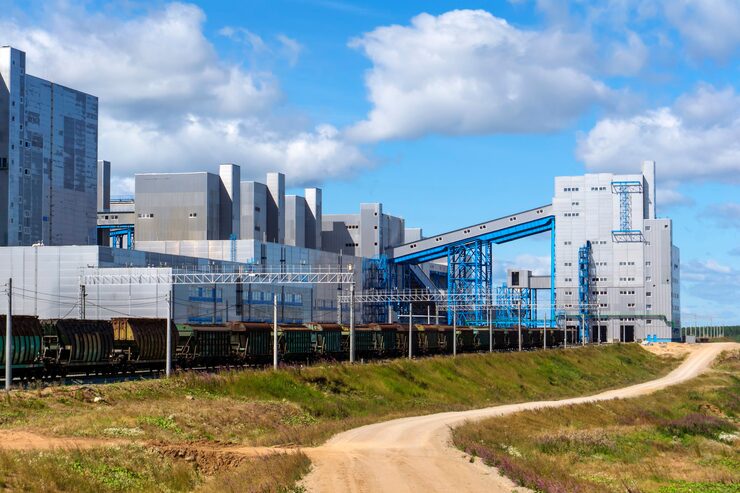
Choosing the right structural system is one of the most important decisions in industrial construction. The structure directly affects project cost, construction speed, operational efficiency, future expansion, and long term maintenance. In India, most industrial buildings are constructed using either RCC structures or PEB structures.
Both systems have their own advantages and limitations. The right choice depends on project requirements, usage type, budget, and timeline rather than a one size fits all approach.
Understanding RCC Structures in Industrial Construction
RCC stands for Reinforced Cement Concrete. RCC structures are built using concrete reinforced with steel bars. This method has been used in India for decades and is widely accepted across residential, commercial, and industrial projects.
In industrial buildings, RCC structures are commonly used for factories with heavy machinery, multi storey production units, and facilities that require high load bearing capacity. RCC offers excellent durability and resistance to fire, vibration, and environmental factors.
Because RCC structures are cast on site, they allow greater flexibility in architectural design and layout customization.
Understanding PEB Structures in Industrial Construction
PEB stands for Pre Engineered Building. PEB structures are fabricated in factories and assembled at the construction site. The entire structural system is designed using software based engineering to optimize steel usage and strength.
PEB structures are widely used for warehouses, logistics parks, manufacturing sheds, cold storage facilities, and large span industrial buildings. These structures are lightweight, faster to construct, and highly efficient for large open spaces without internal columns.
PEB construction has gained strong popularity in India due to speed and cost efficiency.
Construction Speed and Project Timelines
One of the biggest differences between RCC and PEB structures is construction speed. RCC construction involves multiple on site activities such as shuttering, reinforcement placement, concrete pouring, and curing. This makes the process time consuming and highly dependent on weather conditions.
PEB structures are fabricated off site while foundation work is carried out simultaneously. Once materials arrive at site, erection is rapid. This parallel execution significantly reduces overall project duration.
For industrial projects with tight deadlines, PEB structures often offer a clear advantage.
Cost Comparison Between RCC and PEB
Cost plays a major role in decision making. RCC structures usually involve higher material and labor costs due to cement usage, longer construction time, and extensive formwork.
PEB structures optimize steel usage through precise engineering. Reduced construction time lowers labor and overhead costs. For large span buildings, PEB often proves more economical than RCC.
However, for smaller industrial buildings or structures with heavy vertical loads, RCC may still be cost effective in the long term.
Load Bearing Capacity and Structural Strength
RCC structures are known for their high load bearing capacity. They are well suited for facilities that house heavy machinery, cranes, or vibration sensitive equipment. RCC also performs well in multi storey industrial buildings.
PEB structures are designed for specific loads and spans. While they are strong and safe, their load carrying behavior differs from RCC. For very heavy industrial operations, a hybrid structure combining RCC foundations and PEB superstructure is often used.
Flexibility and Future Expansion
Industrial facilities often expand over time. Structural flexibility plays an important role in accommodating future needs.
PEB structures are easier to expand horizontally. Additional bays can be added with minimal disruption to ongoing operations. RCC expansion requires significant demolition, reinforcement extension, and curing time.
For industries expecting future capacity expansion, PEB structures offer greater adaptability.
Maintenance and Long Term Durability
RCC structures have excellent durability and require minimal maintenance when constructed properly. They perform well in harsh environments and have a long service life.
PEB structures require periodic maintenance such as painting and corrosion protection, especially in coastal or industrial zones. With proper anti corrosion coatings and regular inspection, PEB structures can also achieve long service life.
Maintenance planning is essential when choosing between the two systems.
Fire Resistance and Safety Considerations
Fire safety is critical in industrial buildings. RCC structures offer high fire resistance due to the inherent properties of concrete. This makes them suitable for high risk industrial environments.
PEB structures require additional fire protection measures such as fire resistant coatings or cladding systems. Modern PEB designs address these concerns effectively when safety requirements are clearly defined at the planning stage.
Architectural and Functional Requirements
RCC structures allow greater architectural freedom and are ideal for buildings that require complex layouts, multiple floors, or integrated office spaces.
PEB structures excel in large column free spaces, high clear heights, and efficient industrial layouts. They are ideal for warehouses, production sheds, and logistics centers.
The choice should align with functional requirements rather than appearance alone.
Choosing the Right Structure for Your Industrial Project
There is no universal answer to whether RCC or PEB is better. The right choice depends on land availability, project budget, timeline, operational loads, future expansion plans, and regulatory requirements.
Many modern industrial projects in India use a combination of both systems to achieve the best balance of strength, speed, and cost efficiency.
Final Thoughts
RCC and PEB structures each have distinct advantages in industrial construction. RCC offers strength, durability, and fire resistance, while PEB delivers speed, flexibility, and cost efficiency for large span buildings.
An experienced EPC contractor evaluates project specific needs and recommends the most suitable structural system. Making the right decision at this stage ensures smooth execution, efficient operations, and long term value for industrial facilities.
FAQs – RCC vs PEB Structures in Industrial Construction in India
1. What is the difference between RCC and PEB structures in industrial construction in India?
RCC structures use reinforced cement concrete and are constructed on site, while PEB structures are pre engineered steel buildings fabricated in factories and assembled on site. RCC offers higher load capacity, whereas PEB provides faster construction and cost efficiency.
2. Which is better for industrial buildings in India, RCC or PEB?
The choice between RCC and PEB structures in industrial construction in India depends on project requirements. RCC is suitable for heavy load and multi storey buildings, while PEB is ideal for large span warehouses and fast track projects.
3. Are PEB structures more cost effective than RCC structures?
PEB structures are generally more cost effective for large span industrial buildings due to reduced construction time and optimized material usage. However, RCC may be more economical for smaller projects or structures requiring heavy load bearing capacity.
4. Which structure is faster to construct, RCC or PEB?
PEB structures are significantly faster to construct because fabrication happens off site and erection is quick. RCC construction takes longer due to on site activities such as shuttering, casting, and curing.
5. Are RCC structures stronger than PEB structures?
RCC structures provide higher load bearing capacity and are better suited for heavy machinery and multi level industrial facilities. PEB structures are also strong but are designed for specific spans and load conditions.